

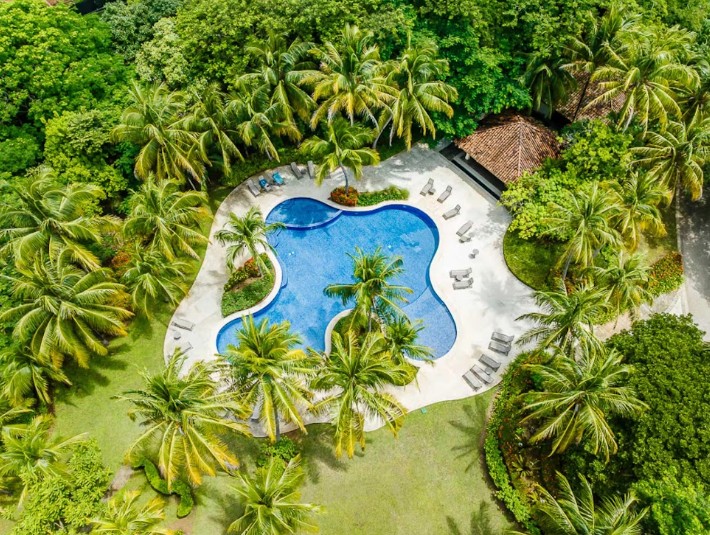
The expat lifestyle on Costa Rica’s Gold Coast is relaxed, social, and strongly connected to the outdoors. For retirees, life in Tamarindo and surrounding Guanacaste communities often means more time outside, easier access to the beach, a large international community, and a slower daily rhythm without giving up restaurants, healthcare, or modern services.
That does not mean retirement here feels like a permanent vacation.
The biggest adjustment is usually learning how to combine Costa Rica’s slower pace with the practical realities of relocation, from making friends and learning some Spanish to understanding safety and building a new routine.
Table of Contents
What does “Pura Vida” really mean?
“Pura vida” literally translates to “pure life,” but in Costa Rica it is used as a greeting, a thank-you, a way to say everything is good, and, more broadly, a way of approaching daily life.
For retirees, the phrase makes more sense once it becomes part of everyday routines.
It can mean having breakfast outdoors instead of rushing through a commute, walking to the beach before dinner, or accepting that some things simply happen at a slower pace than they might in the United States or Canada.
In Guanacaste, that lifestyle is reinforced by the climate and geography. Costa Rica’s tourism board describes the province as the country’s driest region, known for its beaches, open landscapes, and outdoor recreation.
Pura Vida does not mean giving up convenience
This is an important distinction.
Retirees in places like Tamarindo can combine a tropical lifestyle with access to international restaurants, supermarkets, wellness services, private healthcare, and an established real estate market.
Tamarindo, for example, is officially recognized as a major Guanacaste tourism center with international dining, hotels, surfing, and an active town environment.
That combination is one reason life in Tamarindo appeals to retirees who want a slower pace without feeling isolated.
Is Guanacaste safe for retirees?
Guanacaste can be a comfortable place for retirees, but living there still requires the same practical awareness you would use in any international destination.
As of April 2026, the US Department of State lists Costa Rica at Level 2: Exercise Increased Caution due to crime. The advisory notes that petty crime is common and recommends staying aware of your surroundings and avoiding poorly lit beaches or streets at night.
As our agents often remind clients, “Tamarindo is a popular tourist destination, and just like anywhere with a steady flow of visitors, it’s always wise to stay aware of your surroundings and keep an eye on your belongings.”
Most visits are relaxed and trouble-free, but taking a few simple precautions—such as not leaving valuables unattended and keeping personal belongings secure—can help ensure you enjoy everything Tamarindo has to offer with peace of mind.
Costa Rica’s tourism authority also highlights another Gold Coast safety issue that newcomers sometimes overlook: rip currents and ocean conditions. Not every beach has permanent lifeguards, so checking local conditions before swimming matters.
For retirees comparing properties, safety is therefore not only about crime. Road conditions, beach access, emergency response, lighting, and proximity to healthcare should all be part of the decision.
How do expats make friends in Costa Rica?
Making friends in Costa Rica is usually easier when you build your social life around activities rather than waiting for connections to happen on their own.
The Gold Coast has a well-established international community, particularly around Tamarindo, Flamingo, Las Catalinas, Hacienda Pinilla, and other residential areas.
Retirees commonly meet people through:
- Golf and pickleball
- Yoga and fitness classes
- Beach cleanups and volunteer groups
- Sailing and sport fishing communities
- Hiking and cycling
- Language exchanges
- Restaurants and community events
Tamarindo Real Estate’s broader retirement guide notes that expats in Guanacaste commonly participate in golf clubs, yoga studios, volunteer organizations, beach cleanups, language groups, and sailing or fishing activities.
Do you need to speak Spanish?
You can function in many Gold Coast communities with limited Spanish because English is widely used in tourism and expat-oriented businesses.
Still, learning conversational Spanish makes daily life easier and usually improves your connection with Costa Rican neighbors, service providers, and the broader community.
Even basic Spanish helps with grocery shopping, medical appointments, contractors, government paperwork, and everyday conversations.
For someone planning a permanent relocation rather than a seasonal stay, integration matters more than convenience alone.
What does a typical retirement day in Tamarindo look like?
A typical day of retirement in Tamarindo can be highly active without being structured around a traditional work schedule.
For many retirees, the biggest change is how much of the day naturally moves outdoors.
A realistic routine might start with an early walk along the beach before temperatures rise, followed by breakfast at home or at a local café.
Late morning may involve a fitness class, errands, a medical appointment, property management, or simply time at home.
Afternoons tend to slow down.
Some retirees spend that time at the pool, reading, working on personal projects, golfing nearby, or meeting friends.
By late afternoon, Tamarindo becomes more social again.
Sunset walks, dinner, live music, and casual gatherings are part of the rhythm of the town.
Retirement here can be as social, or private, as you want
That flexibility matters.
A condo in central Tamarindo can place restaurants, stores, and the beach close to home. A residence in Hacienda Pinilla or another nearby gated community offers a quieter residential setting while keeping Tamarindo within easy reach.
For retirees seeking even more walkability and a carefully planned coastal environment, communities such as Las Catalinas offer another interpretation of Gold Coast living.
In other words, there is no single expat lifestyle in Costa Rica.
Your property choice determines much of your everyday experience.
What should retirees consider before moving?
Before choosing a home based on an ocean view alone, spend time thinking about the routines that will matter five years from now.
Consider:
- How close you want to be to healthcare.
- Whether you prefer walking or driving for errands.
- How important restaurants and social activities are.
- Whether you want a gated community or a town environment.
- How often you expect visitors from the US or Canada.
- Whether you plan to live in Costa Rica year-round or seasonally.
A two- or three-week vacation can tell you whether you like a destination.
A longer exploratory stay is much better at showing you whether you actually want to live there.
Frequently asked questions
Is Tamarindo a good place for retired expats?
Yes. Tamarindo combines beach access, restaurants, healthcare services, an international community, and a wide range of housing options, making it one of Guanacaste’s more practical choices for retirees who want an active lifestyle.
Is Costa Rica safe for American retirees?
Costa Rica is a popular retirement destination, but the US Department of State currently advises travelers to exercise increased caution because of crime. Retirees should follow normal security precautions and carefully evaluate the neighborhood and property they choose.
Is it easy to make friends after retiring in Costa Rica?
It can be, particularly in established expat areas. Joining sports, volunteer groups, wellness activities, and community events is one of the easiest ways to develop a social circle.
Do most expats speak Spanish in Guanacaste?
Not necessarily. English is common in many coastal businesses, but learning Spanish can make relocation easier and create stronger connections with the local community.
Is the Gold Coast only for people who want an active social life?
No. Tamarindo is relatively lively, but surrounding communities offer quieter alternatives. Retirees can choose between walkable town living, gated communities, resort-style developments, or more private coastal settings.
Conclusion
The expat lifestyle on Costa Rica’s Gold Coast is best suited to retirees who want an outdoor, community-oriented lifestyle with access to modern services and the freedom to choose between lively or quieter coastal living.
The real value of “pura vida” is not living permanently on vacation. It is having more control over your time and building a daily routine around the lifestyle you actually want.
At Tamarindo Real Estate, we help retirees compare communities and properties throughout Guanacaste based on what matters for full-time living, not only how a property looks during a vacation.
If you are still planning the larger move, including residency, healthcare, taxes, cost of living, and property ownership, continue with our Retire in Costa Rica Gold Coast: The Ultimate Guide.
