

By Matt Roche.
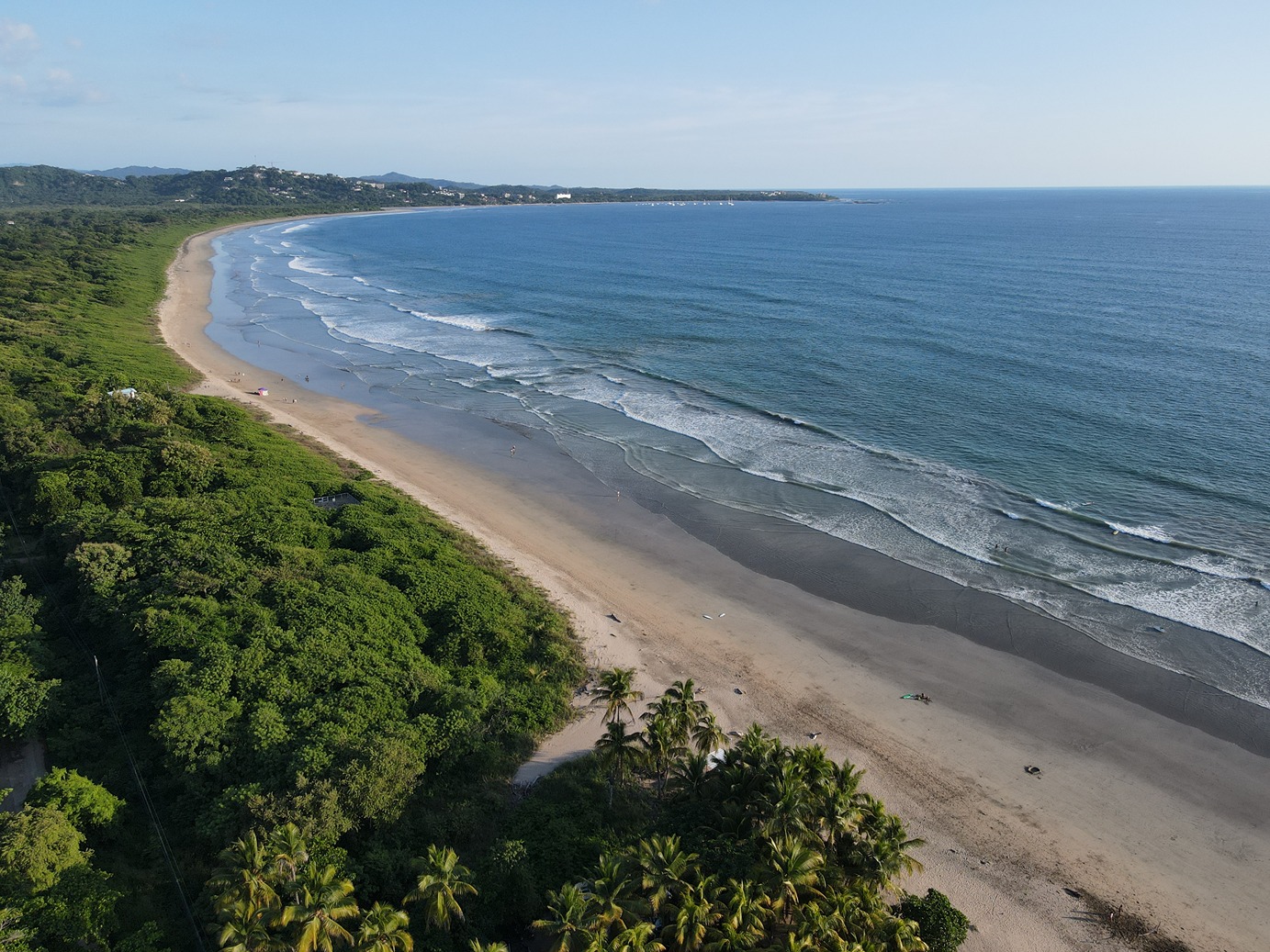
As you may know, Costa Rica is a country known around the world for its friendly people, laid-back lifestyle, incredible biodiversity, mountains, and what seems to be an endless stretch of coastline on both sides of the country. The purpose of this blog is to focus on the Guanacaste region, more specifically Playa Grande, and provide you with some context and understanding of what makes this area so unique.
The Guanacaste region is commonly referred to as the “Gold Coast” of Costa Rica because of its abundance of gorgeous beaches. It is no secret that there are many excellent surfing options, along with tranquil beaches better suited for easygoing swimming. This region of the country is also the driest, receiving the least amount of rainfall and enjoying an abundance of sunshine—more than 300 days annually.
One beach in particular is Playa Grande, Guanacaste (there are several Playa Grandes in Costa Rica). What makes Playa Grande so special? Is it world-class, incredibly consistent surfing? Could it be that it is an area known for being quiet once the sun goes down, yet is just a stone’s throw away from Tamarindo, where one can find all the hustle and bustle that a night out in a touristy town brings? Or maybe it is Playa Grande’s green curtain and Parque Nacional Marino Las Baulas (Las Baulas Marine National Park). It is a little bit of all that I mentioned.
To stay true to what draws most people to Costa Rica, we will start by talking about nature. A unique feature of Playa Grande is the green curtain (cortina verde). This is a secondary-growth forest ecosystem that begins along the shoreline of Playa Grande and extends inland. It is part of Las Baulas Marine National Park, which was established in 1991.
This national park protects approximately 66 square miles (171 square kilometers) of marine territory in and around Tamarindo Bay, along with approximately 3 square miles (7.7 square kilometers) of protected land—roughly the size of New York City’s Central Park. Las Baulas National Park also has a mangrove system that runs through the Playa Grande area and leads out to the ocean at a couple of different points along the beach.
One of the better-known areas is the Tamarindo Estuary, also known as the Tamarindo River mouth, which can produce spectacular waves under the right conditions. The estuaries and mangroves are teeming with all types of wildlife and are one of the reasons you can explore these areas with a guide if you want to connect with nature.
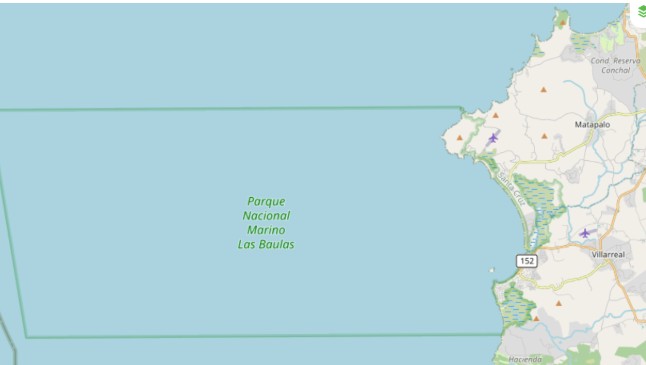
Parque Nacional Marino de Las Baulas, Playa Grande
Looking at the green curtain is like looking into traditional Costa Rica, offering a glimpse of what some of the region’s beaches looked like before agriculture and development expanded. Fortunately, measures are being taken throughout the country to reverse some of those effects. The green curtain is a great example of this, combining protected coastline with low-density residential development while preserving and reinvigorating the area’s natural character. The result is an authentic Costa Rican landscape that remains largely untouched.
This area of Playa Grande is home to 139 bird species, 117 species of trees and shrubs, leatherback turtles, dolphins, and many other species of wildlife.
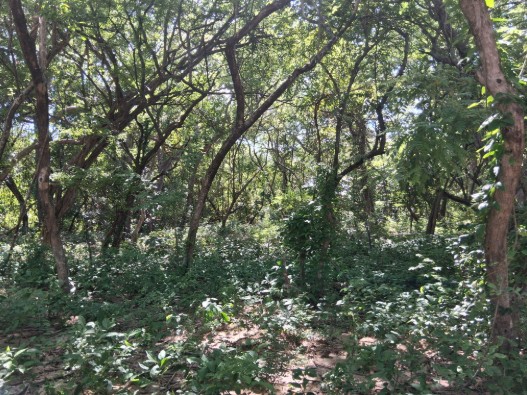
Forest in Playa Grande
Both locals and foreigners alike are working side by side to preserve and restore this beautiful part of Costa Rica, helping ensure that many generations to come can enjoy this magnificent area. Within the green curtain is an alluring walking trail that is highly recommended for those who want to experience it firsthand. The trail provides an opportunity to walk through a unique forest while listening to the sound of the wind and the waves breaking along the beach in the background.
The trail within the green curtain was created by local volunteers with the specific purpose of establishing a designated pathway through the forest along the beach. By concentrating foot traffic along a single route, the trail helps protect the surrounding ecosystem by preventing people from creating multiple informal paths throughout the forest, which can fragment the area.
This is also important for the local wildlife, as many animal species depend on continuous, connected forest to survive. When forests become fragmented into isolated patches, wildlife populations can become separated, making it more difficult for them to thrive and potentially contributing to their disappearance from the area.
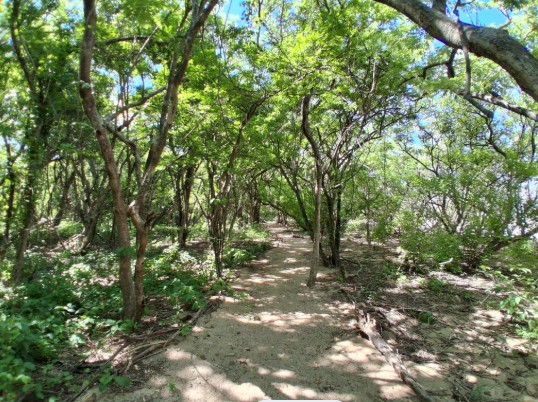
Walking trail in the green curtain
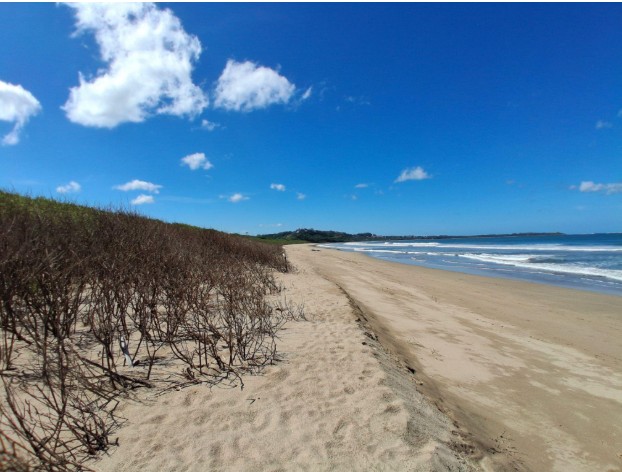
Green curtain from the top of the beach, looking down toward the ocean
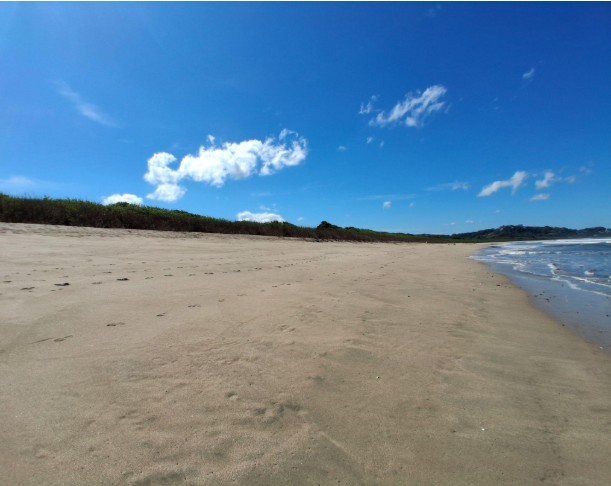
Picture taken close to the tide line, looking up to illustrate the slope of the beach near the main surf break in Playa Grande
I want you to notice the shape of the shoreline in Playa Grande. You will see how it is rather steep, which, along with the unobstructed, exposed beach receiving direct swell, is an important factor in creating Playa Grande’s powerful and consistent waves. At the top of the beach, where the green curtain begins and the sand levels off, the roots of the trees and other vegetation help prevent soil erosion.
If you are into surfing, this is especially important, as losing the natural shape of this beach could forever change the shape and character of the waves. It is well known that Playa Grande is a gift from the surfing gods.
There are also many people who come to Playa Grande and do not surf. Many are drawn to the beautiful sunrises and sunsets that can be enjoyed along this expansive beach. If we look at one area in particular, Palm Beach Estates, located south of the main entrance to Playa Grande and extending toward the Tamarindo River Mouth, it is a great area to stay if you enjoy peace and quiet.
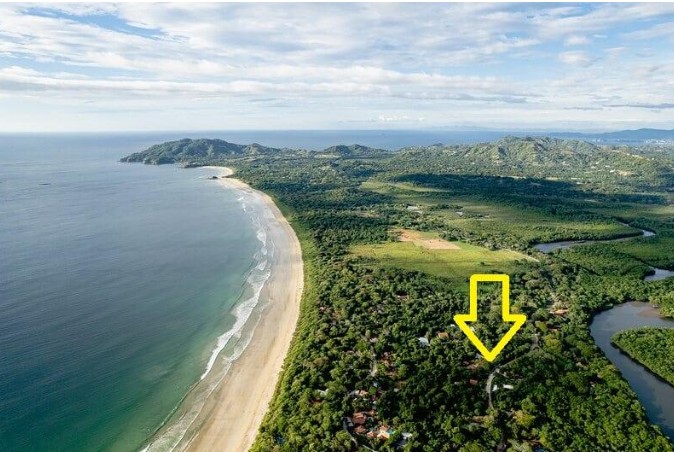
Palm Beach Estates
Surrounded by a river, mangroves, an estuary, and a national park, and located on the other side of the river from Tamarindo, Palm Beach Estates has a naturally relaxed and peaceful vibe. Even though it is actually very close to Tamarindo, it feels like you are in your own little world, far removed from the upbeat pace and energy of town.
Another appealing aspect of the Palm Beach Estates area is that there are fewer people on the beach. You do not have to walk far from one of the beach access points to find your own slice of tropical paradise, where you can relax on the sand, take in the priceless views, and enjoy the surroundings in peace.
The beautiful views are not limited to Palm Beach Estates. By making your way back up toward the main entrance to the beach, you will find an area known as Playa Grande Estates. This is what you could consider the center of Playa Grande, where you will find a greater concentration of restaurants and shops.
There are relatively few businesses in Playa Grande in general, and it is not really comparable to Tamarindo in that respect. But that is part of what makes Playa Grande special in its own way, along with its incredible surfing and national park. Playa Grande Estates has seen some change over the years as more homes have been built in the area, gradually taking up the limited land available for purchase. It is a classic case of supply and demand, further influenced by the fact that Playa Grande is surrounded by protected land.
The green curtain trail begins in the Playa Grande Estates area and extends toward Palm Beach Estates, covering approximately 2.5 kilometers in total. The main surf break, known as “The Peak,” is located along the main road leading directly to the beach through Playa Grande Estates. When you see pictures of beautiful, barreling waves from Playa Grande, they are usually taken at The Peak.
If you continue north along the beach from the main entrance, around the large rock formation and still within the national park, you will reach Playa Ventanas, a secluded beach that many visitors to Playa Grande never make it to.
The good news is that there are several areas beyond Palm Beach Estates and Playa Grande Estates that are beautiful in their own right. The farther you get from the main beach entrance in Playa Grande, the more opportunities you may find for land at comparatively attractive prices.
One particularly appealing development is Las Ventanas, located in the mountains just minutes from the main beach of Playa Grande. What makes this area special is its beautiful ocean views, which you generally cannot get from flat land unless you are literally beachfront—something that is exceedingly rare. Las Ventanas is a low-density development, with approximately 75% of the land set aside to remain undeveloped. This helps preserve the natural environment and provides valuable habitat for local wildlife. From here, you can enjoy beautiful, unobstructed ocean views surrounded by nature.
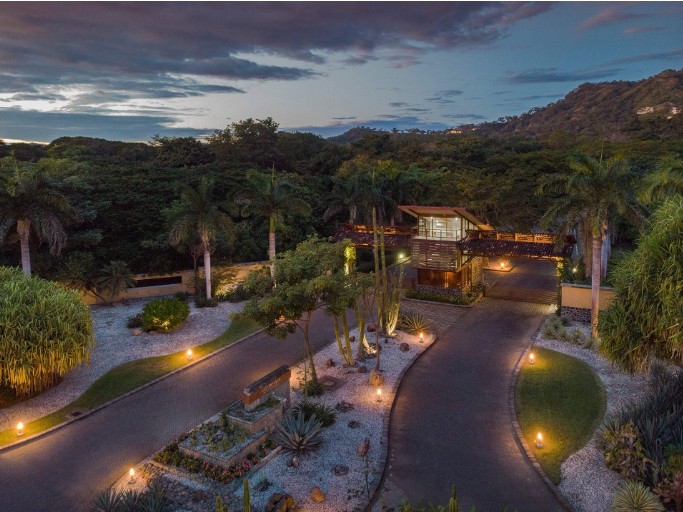
Beyond the areas mentioned above, there are several other locations around Playa Grande offering excellent land and home opportunities. Options range from more accessible to luxury properties and include single-family homes, condominiums, gated communities, multi-unit properties, and much more.
Whether you are looking to spend a day on a beautiful beach or are interested in finding your own slice of paradise, we can help. I live in this area for many of the same reasons people come from far and wide to experience the incredible natural beauty of Costa Rica and places like Playa Grande.
Come see for yourself what makes this part of Costa Rica so special, and feel free to reach out if you have any questions. I will be happy to help.
Cheers!
