

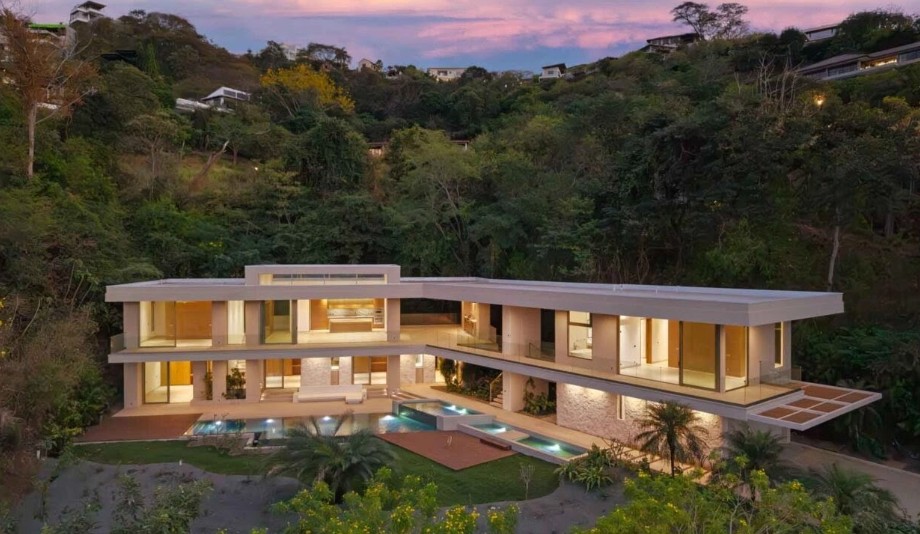
Buying property in Costa Rica as an American is completely legal, straightforward, and secure when you understand the local system, including titled ownership, maritime zones, and the closing process.
For retirees considering Guanacaste’s Gold Coast, real estate is not just a lifestyle decision, it’s also a strategic investment.
This guide explains how to navigate foreign property ownership in Costa Rica, avoid common mistakes, and confidently purchase a home in areas like Tamarindo.
Table of Contents
Can foreigners own property in CR?
Yes. Foreigners, including US citizens, have the same property ownership rights as Costa Rican nationals.
This is one of the biggest advantages of investing in Costa Rica compared to other international markets.
You can:
• Own property in your personal name
• Purchase through a Costa Rican corporation (common for investors)
• Buy land, condos, or luxury homes
There are no restrictions on:
• The number of properties you can own
• Your nationality
• Residency status
This means you can buy property even before applying for residency through programs like the Costa Rica pensionado visa.
What this means in practice
A retired couple from the U.S. can:
• Visit Tamarindo
• Find a property they like
• Purchase it legally
• Close within 30–60 days
All without being residents yet.
This flexibility is one of the reasons buying a house in Guanacaste has become increasingly popular among retirees and investors.
Titled property vs. concession land
Understanding this distinction is critical when buying property in Costa Rica as an American.
Not all beachfront land is the same.
Titled property (Fee simple ownership)
This is the safest and most straightforward type of ownership.
With titled property, you:
• Own the property outright
• Have full ownership rights
• Can sell, rent, or transfer freely
Most homes, condos, and developments in areas like Tamarindo fall under this category.
This is what most retirees and investors should prioritize.
Concession land (Maritime zone)
Costa Rica’s Maritime Zone extends 200 meters inland from the high tide line.
This land is not privately owned.
Instead, it is:
• Owned by the government
• Granted through concessions (leases)
• Typically issued for 20 years and renewable
Important limitations:
• Foreigners can only own up to 49% directly in concession property
• Additional legal structures are required for full control
• Financing options are limited
The buying process step-by-step
The process of buying a house in Guanacaste is structured but efficient.
Most transactions take 30 to 60 days from offer to closing.
Step 1: Property selection
This is where strategy matters.
You should evaluate:
• Location (Tamarindo vs. surrounding areas)
• Rental potential
• Community and amenities
• Accessibility and infrastructure
Working with a local expert is key at this stage.
Step 2: Offer and purchase agreement
Once you find a property:
• You submit an offer
• Terms are negotiated
• A purchase agreement is signed
A deposit is typically required, often held in escrow.
Step 3: Due diligence
This is one of the most important phases.
Your attorney will verify:
• Title ownership
• Property boundaries
• Zoning regulations
• Existing liens or debts
This protects you from legal surprises.
Step 4: Closing
Closing is handled by the notary.
The process includes:
• Final document signing
• Transfer of funds
• Registration in the National Registry
Once registered, you are officially the legal owner.
Step 5: Post-purchase setup
After closing, many buyers:
• Set up property management
• Furnish the home (if needed)
• List the property for vacation rentals
This is especially common in high-demand areas like Tamarindo.
Strategic considerations for retirees
Buying property is not just a transaction, it’s a long-term decision.
Here are key considerations based on real buyer behavior.
Lifestyle vs investment balance
Some retirees prioritize:
• Walkability
• Community
• Access to healthcare
Others focus on:
• Rental income
• Appreciation potential
• Tourism demand
The best properties often balance both.
An example of this is a luxury condo in Tamarindo, which offers walkability and a vibrant social lifestyle while also having the potential to generate $30,000–$80,000 per year in rental income, depending on usage and season, making this dual-purpose approach increasingly common.
Location matters more than price
Location matters more than price in Guanacaste, where ocean-view properties tend to hold value better, gated communities consistently show higher demand, and proximity to the beach directly impacts rental income, which is why local expertise becomes critical when making a purchase decision.
Conclusion
Buying property in Costa Rica as an American is one of the most accessible international real estate opportunities available in 2026, but success depends on understanding the details.
From titled vs. concession land and legal processes, every step plays a role in securing your investment.
For retirees, this is not just about owning property.
It’s about choosing where and how you want to live your next chapter.
